Call us now :08071781620
 Send Inquiry
 Send Inquiry
Effluent Treatment And Wastewater Treatment Plant
Price 400000 INR/ Unit
MOQ : 1 Unit
Effluent Treatment And Wastewater Treatment Plant Specification
- Efficiency (%)
- Up to 98%
- Technology
- MBBR, SBR, MBR, RO, UF, Chemical Treatment
- Water Out Conductivity
- <10 S/cm
- Usage & Applications
- Industrial process water, Municipal wastewater, Reuse applications
- Pump Type
- Centrifugal/Submersible
- Feature
- Zero Liquid Discharge (ZLD), Low Maintenance, High Efficiency
- Ph Level
- 6.5-8.5
- Frequency
- 50-60 Hz
- Power Consumption
- As per the design capacity
- Recycle Rate
- 95%
- Flow Rate
- 500 lph to 10,000 lph
- Noise Level
- Below 65 dB
- Purity Level
- Up to 99%
- Automatic Grade
- Full Automatic
- Product Type
- Effluent Treatment And Wastewater Treatment Plant
- Power Source
- Electric
- Water Source
- Industrial effluent/wastewater
- Material
- Metal
- Volume
- Customizable as per requirement
- Voltage
- 415 V AC
- Drive Type
- Electric
- Filter Type
- Multi-media, Activated Carbon, Cartridge
- Capacity
- 1 KLD to 5000 KLD and above
- Installation Type
- Containerized/Prefabricated/On-site
- Color
- Blue/Grey/Customizable
- Automation Control
- PLC/SCADA based
- Pretreatment System
- Bar Screen, Oil and Grease Trap
- Inlet/Outlet Connection Size
- 50 mm to 200 mm
- Operating Temperature
- 5C - 50C
- Water in conductivity
- Up to 2000 S/cm
- Maintenance Requirement
- Low
- Chemical Dosing System
- Auto/Manual
- Discharge Standard
- MEF/CPHEEO/Local Pollution Control Board Compliant
- Sludge Handling
- Filter Press/Centrifuge
- Control Panel
- Weatherproof IP65
Effluent Treatment And Wastewater Treatment Plant Trade Information
- Minimum Order Quantity
- 1 Unit
- Payment Terms
- Cash in Advance (CID)
- Supply Ability
- 30 Units Per Month
- Delivery Time
- 20-25 Days
- Main Domestic Market
- South India
Effluent Treatment And Wastewater Treatment Plant About
Our Ozone Nano technology for reduction of COD / BOD in the organic load of the low boilers ETP plant. Our technological advancement of using effectively ozone to reduce the COD / BOD organic load from the treated effluent from ETP Plant.Advanced Water Treatment Technologies
Employing MBBR, SBR, MBR, RO, UF, and cutting-edge chemical treatment processes, our systems effectively remove contaminants from industrial and municipal wastewater. The multi-stage filtration-bar screen, oil & grease trap, multi-media, activated carbon, and cartridge filters-ensures optimal water purity and efficiency.
Automated Operation and Smart Control
Fully automated with PLC/SCADA-based control systems, these plants offer seamless monitoring and operation. The electric-driven systems are managed via weatherproof IP65 panels, offering consistent performance under a broad range of environmental conditions. Automation reduces human error and ensures reliability.
Customizable Design and Deployment
Available in containerized, prefabricated, or on-site installations, our treatment plants can be tailored to specific volume, capacity (1 KLD to over 5000 KLD), and inlet/outlet requirements. Customizable color and materials allow clients to match their facility needs and operational preferences, making integration straightforward.
FAQ's of Effluent Treatment And Wastewater Treatment Plant:
Q: How does the effluent treatment plant ensure compliance with pollution control board standards?
A: Our systems are engineered to meet MEF, CPHEEO, and local pollution control board regulations. They incorporate advanced filtration and chemical treatment stages that effectively reduce pollutants, delivering treated water with a conductivity of less than 10 S/cm, a pH between 6.5 and 8.5, and up to 99% purity.Q: What is the process flow for treating industrial wastewater in this plant?
A: The process begins with bar screening and an oil and grease trap for primary pretreatment. Subsequently, water moves through multi-stage filtration (multi-media, activated carbon, cartridge), followed by high-efficiency bioreactors or membrane systems and advanced chemical dosing. Sludge is managed with a filter press or centrifuge, and the treated water is discharged or reused, meeting strict compliance standards.Q: Where can these treatment plants be deployed and installed?
A: Our plants are suitable for on-site, containerized, or prefabricated installation at industrial facilities, manufacturing sites, municipal treatment stations, and any location requiring compliant water recycling. Installations are customizable to size, volume, and connection needs, making them adaptable to diverse operational environments.Q: What are the maintenance requirements of the system?
A: These plants are designed for low maintenance, owing to automated controls, durable metal construction, and weatherproof control panels. Routine checks, periodic filter replacement, and minimal cleaning are generally required, ensuring long operational life and reduced downtime.Q: How is automation achieved and what benefits does PLC/SCADA control provide?
A: Automation is accomplished through integrated PLC/SCADA systems that monitor and control all treatment stages. This enables precise dosing, real-time data collection, fault detection, and remote operation, leading to consistent water quality, efficient resource use, and reduced labor costs.Q: When is chemical dosing used in the treatment process?
A: Chemical dosing-available in auto or manual modes-is applied during specific treatment stages for pH adjustment, coagulation, or disinfection, depending on the incoming effluent characteristics. Proper dosing ensures optimal pollutant removal and system efficiency.Q: What are the main benefits of using this wastewater treatment solution?
A: Key advantages include up to 99% treated water purity, 95% recycle rate supporting Zero Liquid Discharge (ZLD), energy-efficient electric operation, low noise levels, and compliance with stringent environmental standards. The system is suitable for water reuse in industrial processes, municipal use, and other applications demanding high-quality water.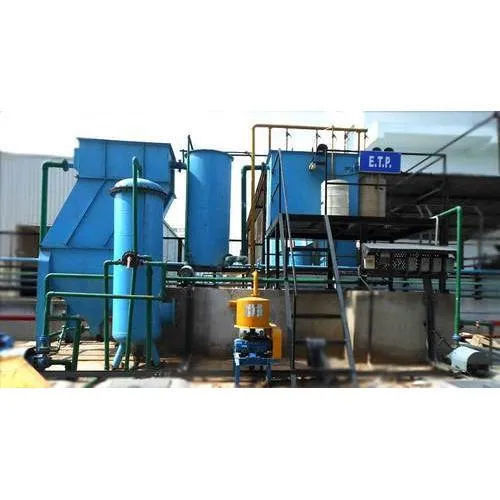
Tell us about your requirement

Price:
Quantity
Select Unit
- 50
- 100
- 200
- 250
- 500
- 1000+
Additional detail
Mobile number
Email

More Products in WTP (Water Treatment Plant) Category
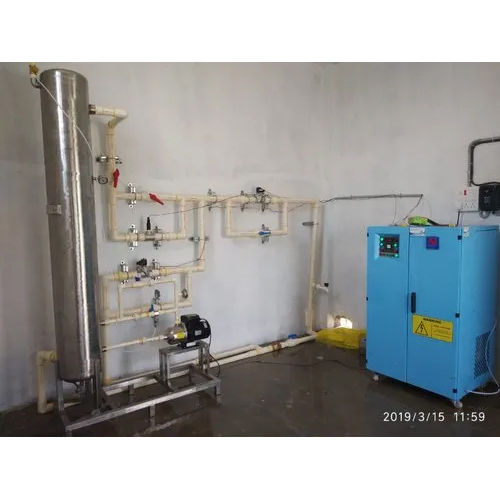
Ozone Water Treatment Plant
Price 226000 INR / Unit
Minimum Order Quantity : 1 Unit
Automatic Grade : Full Automatic
Product Type : Ozone Water Treatment Plant
Power Source : Electric
Drive Type : Electric

Industrial Water Softening Plant
Price 100000 INR / Unit
Minimum Order Quantity : 1 Unit
Automatic Grade : Full Automatic
Product Type : Industrial Water Softening Plant
Power Source : Electric
Drive Type : Electric
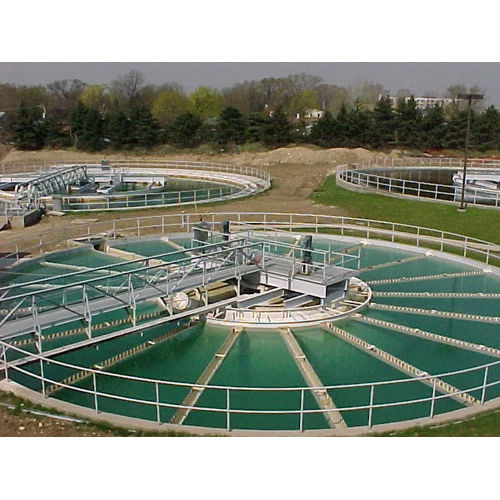
Drinking Water Treatment Plant
Price 265000 INR / Unit
Minimum Order Quantity : 1 Unit
Automatic Grade : Full Automatic
Product Type : Drinking Water Treatment Plant
Power Source : Electric
Drive Type : Electric

 Send Inquiry
Our Products
- Ozone Generator
- Nano Bubble Pump
- UV Disinfection
- Heat Pump
- Air Deodorization
- Drum Filter
- Water Disinfecting System
- WTP (Water Treatment Plant)
- STP (Sewage Treatment Plant)
- ETP (Effluent Treatment Plant)
- Tertiary Treatment Plant
- Sensors - DO, ORP, PH
- RO System
- Oxygen Cone
- Air Source Heat Pump Dryers
- Water Chillers
- Filtration Plant
- Dissolved Oxygen Increasing System
- Disinfection Plant
- Automation Service
- Embedded System Development Service
- Bubble Diffuser
- Oxygen Generator
- Raw Water Treatment
- Ozone Analyzer
- Ozone Destructer
- Automation Panel


No.78, 1st Main Road, Near Pooja Kalayana Mantapa, Petechinappa Industrial Area, Kamakshipalya, Bengaluru - 560079, Karnataka, India

Mr. Umashankar N NR
(sales manager)
Mobile :08071781620
 Send Inquiry
 Send SMS
 Call Me Free
Developed and Managed by Infocom Network Private Limited.
